

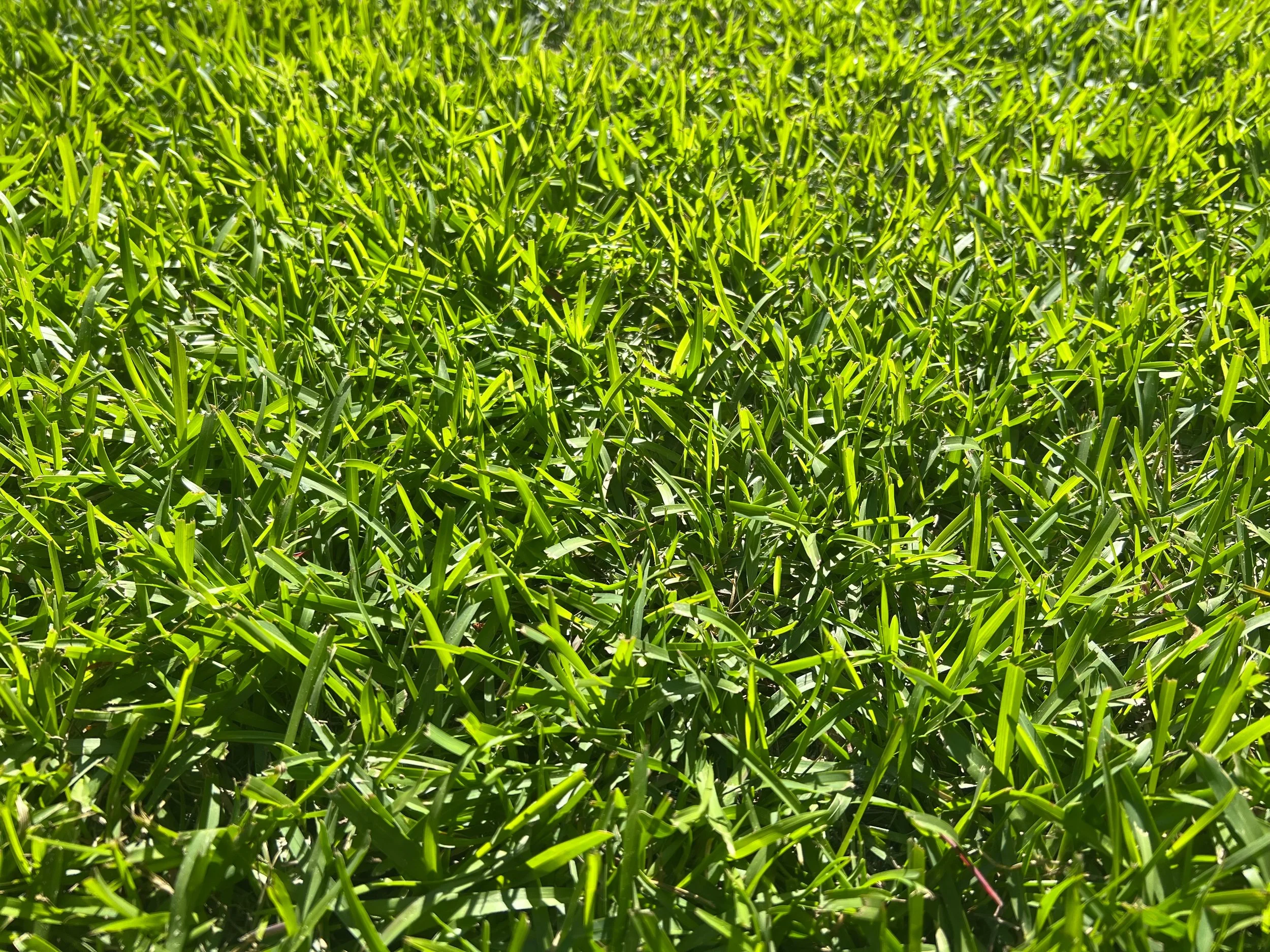
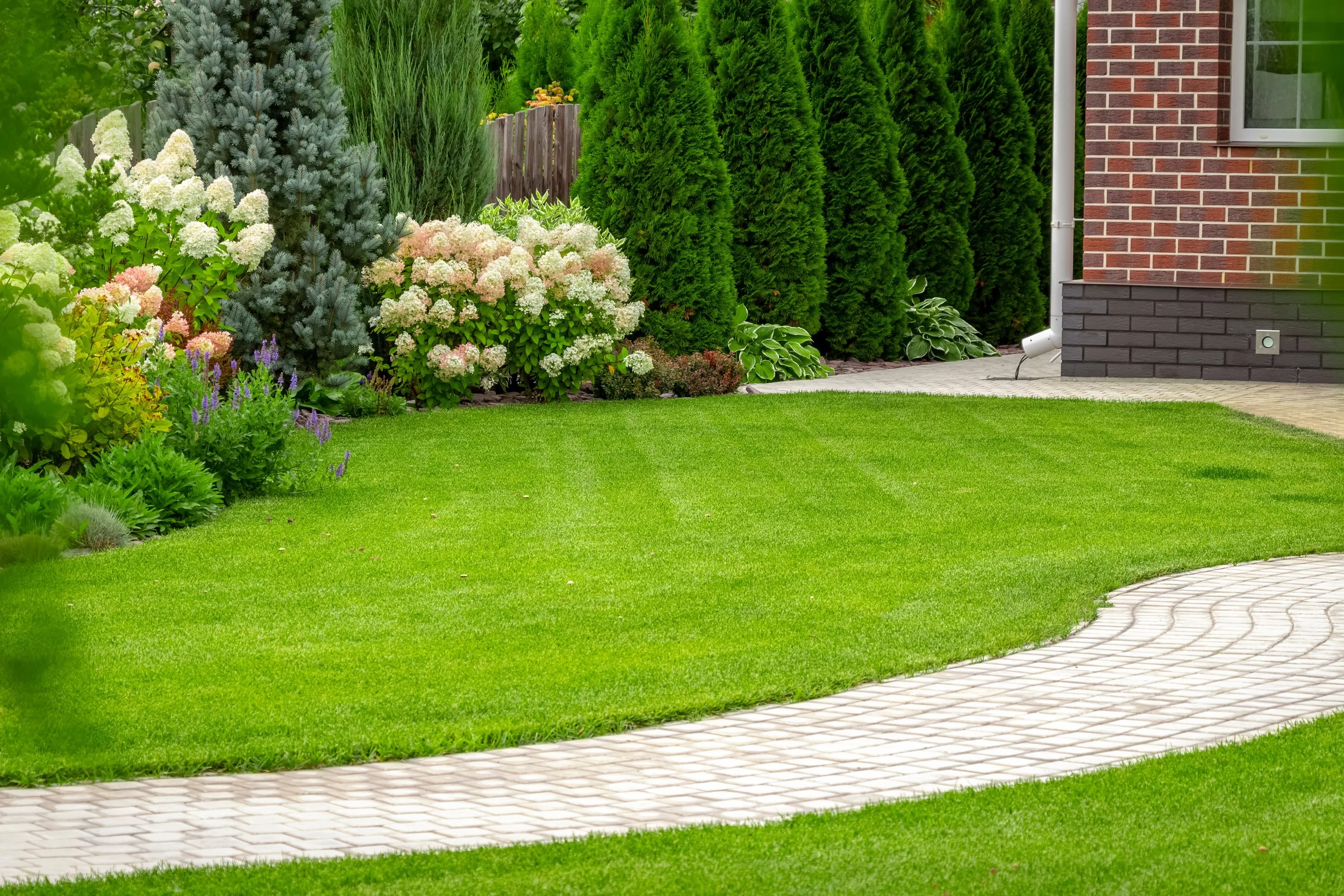
Centipede grass is popular across the Southeast because it’s a low-maintenance, slow-growing lawn that performs well in warm, humid climates like Georgia. It’s often called the “lazy man’s grass” because it typically needs less mowing, fertilizer, and care than many other turf types.
Here’s why people choose centipede sod:
Low Maintenance
Slower growth means less mowing
Requires less fertilizer than Bermuda or zoysia
Lower overall upkeep costs over time
Good Heat Tolerance
Handles Southern heat and humidity well
Performs well in areas with mild winters and long summers
Naturally Attractive Color
Has a light apple-green appearance many homeowners like
Doesn’t usually require heavy feeding to maintain color
Better Shade Tolerance Than Bermuda
Does better with partial shade than Bermuda grass
Good option for yards with scattered trees
Fewer Inputs
Less nitrogen
Less mowing
Less aggressive irrigation
Appeals to homeowners wanting a simpler lawn program
Dense Coverage
Forms a thick turf that helps suppress weeds once established
Good for Acidic Soils
Performs especially well in the naturally acidic soils common throughout South Georgia and much of the Southeast
Centipede isn’t perfect for every situation:
Not ideal for heavy traffic
Slower to recover from damage than Bermuda
Doesn’t tolerate drought as well as some Bermuda varieties
Can decline if over-fertilized (“centipede decline”)
Usually not preferred for athletic fields or high-use commercial areas
Centipede sod is especially good for:
Residential lawns
Low-maintenance properties
Older homeowners wanting less upkeep
Vacation homes
Areas with partial sun
Centipede grass is popular across the Southeast because it’s a low-maintenance, slow-growing lawn that performs well in warm, humid climates like Georgia. It’s often called the “lazy man’s grass” because it typically needs less mowing, fertilizer, and care than many other turf types.
Here’s why people choose centipede sod:
Low Maintenance
Slower growth means less mowing
Requires less fertilizer than Bermuda or zoysia
Lower overall upkeep costs over time
Good Heat Tolerance
Handles Southern heat and humidity well
Performs well in areas with mild winters and long summers
Naturally Attractive Color
Has a light apple-green appearance many homeowners like
Doesn’t usually require heavy feeding to maintain color
Better Shade Tolerance Than Bermuda
Does better with partial shade than Bermuda grass
Good option for yards with scattered trees
Fewer Inputs
Less nitrogen
Less mowing
Less aggressive irrigation
Appeals to homeowners wanting a simpler lawn program
Dense Coverage
Forms a thick turf that helps suppress weeds once established
Good for Acidic Soils
Performs especially well in the naturally acidic soils common throughout South Georgia and much of the Southeast
Centipede isn’t perfect for every situation:
Not ideal for heavy traffic
Slower to recover from damage than Bermuda
Doesn’t tolerate drought as well as some Bermuda varieties
Can decline if over-fertilized (“centipede decline”)
Usually not preferred for athletic fields or high-use commercial areas
Centipede sod is especially good for:
Residential lawns
Low-maintenance properties
Older homeowners wanting less upkeep
Vacation homes
Areas with partial sun